
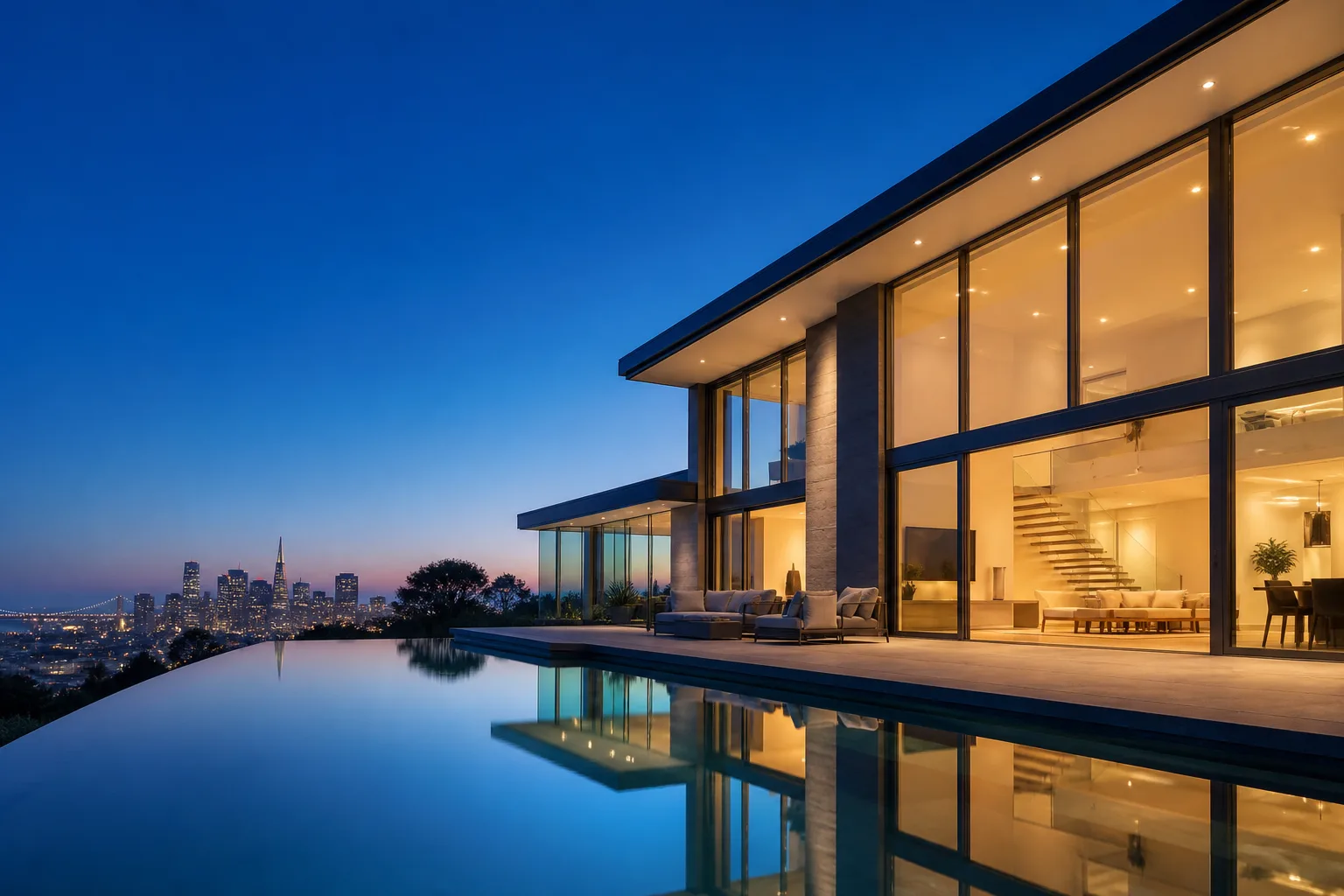
New windows and doors improve comfort, cut energy bills and add long-term value to your home. Meridian Windows and Doors San Francisco pairs proven product lines with our own installing crews for lasting performance - and a price we put in writing.
Choose your installer
The unit is half the job - the install is the other half. Our own background-checked crews measure, set, seal and insulate every opening, and they know the lines we quote inside and out because they install them every week.
Select the right products
Compare styles, materials and glass packages side by side until the fit is right for your rooms, your budget and your goals. The product-line comparison below is the place to start.
Prepare your home for install
Before install day we walk you through a short checklist - furniture pulled back, treatments down, a clear path to each opening - so install day is watch-it-happen, not scramble.
Compare the Lines We Quote
Every project is priced on the same lines, side by side - the price indicators below are relative, and your consultant shows exact numbers on your actual openings.
PGTThe line homeowners arrive naming - the most impact certifications in the industry$$$
- More impact certifications than any other line we quote
- WinGuard, EnergyVue and ClassicVue Max systems built for every wind zone
- 99% on-time delivery keeps your install date on the calendar
CGIThe heavyweight impact line$$$$$
- Large-missile impact ratings for the strictest wind zones
- Architectural-grade aluminum with commercial-depth frames
- The line we quote when protection is the whole point
CWSThe value pick$$
- Vinyl systems built to strict wind codes
- Strong energy packages at the friendliest price point
- The smart start for whole-home replacements on a budget
ESWSlim lines, big glass$$$$
- Narrow-sightline aluminum for modern elevations
- Oversized openings and floor-to-ceiling glass
- Impact-rated without the bunker look
ECOThe aluminum impact workhorse$$$
- Factory-built aluminum impact systems
- A strong price-to-protection ratio for coastal homes
- Proven inventory lines with short lead times
How Much Does Glass Railing Installation Cost in San Francisco?
Glass railing installation in San Francisco typically costs $280 to $520 per linear foot for framed systems and $340 to $610 per linear foot for frameless designs, with most residential projects in the city landing between $4,200 and $14,000 total. The wide spread comes down to a few variables: whether the railing is interior or exterior, the hardware finish, the number of transitions and corners, and whether the deck or staircase requires structural reinforcement to meet San Francisco’s seismic code requirements.
Every glass railing job in San Francisco carries one non-negotiable: the California Building Code (CBC) load requirements for guardrails, which demand the system withstand a 200-pound concentrated load in any direction. That code spec drives material choices, post spacing, and glass thickness before a single dollar of aesthetic upgrades enters the picture.
Key Takeaways: Glass Railing Costs in San Francisco
- Linear-foot pricing for glass railing in San Francisco runs $280 to $610 installed, depending on frame style and hardware.
- An average 25-linear-foot deck or stair railing project lands between $7,000 and $14,000.
- Frameless systems cost 20 to 30 percent more than framed due to thicker tempered glass, heavier channel hardware, and tighter fabrication tolerances.
- Permits are mandatory for exterior railings in San Francisco. The Department of Building Inspection (DBI) permit fee for a typical residential railing replacement runs $180 to $420depending on project scope and whether it is filed over the counter or online.
- Lead times stretch longer here than most metros: fabrication plus DBI approval typically runs 3 to 6 weeks before install day.
Glass Railing Installation Cost Breakdown (2026)
Here is what we currently quote in San Francisco, line by line. These are installed numbers including materials, labor, and standard hardware. They do not include the DBI permit fee, which is a separate line item paid to the city.
| Line Item | Cost Range (Installed) |
|---|---|
| Framed glass railing, interior stair | $280 – $390 per linear foot |
| Framed glass railing, exterior deck or balcony | $310 – $460 per linear foot |
| Frameless glass railing, interior stair | $360 – $540 per linear foot |
| Frameless glass railing, exterior deck or balcony | $390 – $610 per linear foot |
| Glass panels only (replacement, 1/2″ tempered) | $35 – $65 per square foot |
| Aluminum base shoe or channel (frameless) | $40 – $85 per linear foot |
| Stainless steel spigot hardware (per post) | $85 – $160 each |
| Custom corner or angle transition (each) | $220 – $480 |
| Structural reinforcement of existing framing | $700 – $2,800, depending on scope |
| DBI permit filing and city permit fee | $180 – $420 |
The gap between the low and high end within a single category is mostly hardware selection. A satin-finish stainless spigot costs more than a powder-coated aluminum post; a hand-polished edge on the glass costs more than a flat-ground edge. None of these upgrades change how the railing performs under load. They change how it looks, which in San Francisco; where view corridors and light matter enormously, is often the entire point of choosing glass in the first place.
What Affects Glass Railing Installation Pricing in San Francisco
Not every factor is obvious. Here are the ones that move the number most in this market.
- Framed versus frameless. Frameless systems require thicker glass, usually 1/2-inch or 5/8-inch tempered versus 3/8-inch for framed panels. Thicker glass costs more to fabricate, more to ship, and more to handle on site. Expect frameless to add 20 to 30 percent across the board.
- Exterior exposure and marine air. Railings on the west side of the city – the Richmond, the Sunset, anything facing the Pacific or the Golden Gate channel – live in salt fog. That pushes hardware toward 316 marine-grade stainless steel instead of 304, which adds $20 to $40 per spigot and extends the life of the railing by a decade or more. We do not spec 304 stainless within four blocks of the ocean. It will pit. We have replaced too many railings in the Outer Richmond where someone saved $400 on hardware and paid $4,000 to redo it seven years later.
- Seismic and wind load requirements. San Francisco’s DBI enforces CBC Chapter 16 load calculations on exterior guardrails. Homes on hillside lots in Noe Valley, Diamond Heights, or Twin Peaks often require stronger post anchors and closer post spacing because of wind exposure. If the underlying deck framing is not substantial enough to carry the point loads from glass railing posts, the framing gets reinforced first. That is the $700 to $2,800 line item in the table above, and it is the most common surprise on older San Francisco homes.
- Property age and framing condition. Victorian and Edwardian homes, which make up a large share of San Francisco’s housing stock, rarely have rim joists or deck ledgers strong enough for a modern glass railing without additional blocking or steel plate reinforcement. Newer construction in Mission Bay or the Bayview; built after the 1989 Loma Prieta code revisions, usually does not need structural work.
- Stair geometry. Straight stair runs price simply by the linear foot. Curved stairs, landings, and pie-shaped treads require templating and custom-cut glass, plus custom base shoe bending. A single curved stair transition can add $400 to $900 to the fabrication cost.
- Access to the job site. Glass panels for a third-floor deck on a hillside lot in Potrero Hill cannot be walked up a narrow staircase from the street. They may require a crane or a material lift, which adds $600 to $1,400 to a single-day exterior install. Interior railings are rarely affected.
How the Installation Process Affects Cost
Glass railing installation is not a one-day job in San Francisco. The process breaks into four phases, and each phase has costs attached that a homeowner should see before signing.
Phase one is measure and template. A technician visits the site, takes precise field measurements, and notes the condition of the underlying framing. For exterior work, this is also when we check the deck or balcony structure against what the permit application will require. Site visits are free; templating for curved or custom work is part of the estimate.
Phase two is fabrication. Glass panels are cut, tempered, and polished off-site. Custom hardware gets ordered. This typically takes two to four weeks in the Bay Area, longer if the hardware is coming from a European fabricator.
Phase three is the permit. San Francisco DBI reviews the structural calculations and issues the permit. Over-the-counter review for a straightforward railing replacement can take a few days. Anything requiring plan check lands in the two-to-four-week queue. Working with an installer who has filed dozens of railing permits in San Francisco shortens this phase materially; DBI reviewers know what they are looking at and the plans do not bounce back for corrections.
Phase four is installation. One to two days for a typical residential project. The old railing is removed, framing is reinforced if needed, posts or base shoe are anchored, glass panels go in, and hardware is torqued. The crew leaves the site clean. The railing gets a final inspection by DBI.
Framed vs. Frameless: What the Money Buys in San Francisco
The choice between framed and frameless is the single largest pricing decision. Here is what each one actually is.
Framed systems use aluminum or steel posts with glass panels set between them. The posts carry most of the structural load. Glass is typically 3/8-inch tempered. This is the more economical option and the right choice for homeowners who want the light and openness of glass without the premium hardware cost.
Frameless systems use a continuous base shoe or individual spigots to hold the glass, with no vertical posts interrupting the sight line. Glass is thicker, 1/2-inch or 5/8-inch tempered, because it is doing all the structural work. Hardware is usually stainless steel, and its finish and grade matter far more than on framed systems. A frameless rail on a Bay-view deck in Bernal Heights or Potrero Hill is a genuinely different product than a framed rail. It looks like nothing is there.
In San Francisco, where a view often represents a significant portion of a home’s value, the premium for frameless is frequently justified. But it is not automatically the right call. On an interior stair where the railing runs along a wall, a framed system saves $1,500 to $3,000 and looks nearly identical.
How to Save on Glass Railing Installation
Saving money on glass railing is about making decisions before the contract is signed, not after.
- Get the structural assessment early. If your deck or stair framing needs reinforcement, know it before you commit to the railing design. We assess framing at the free estimate visit and tell you then whether the existing structure will carry the load. It keeps surprises out of the final invoice.
- Choose standard glass sizes. Custom panel dimensions are cut to order. Standard-height 42-inch panels in common widths cost less to fabricate and ship. If your design can work with standard panels, say so.
- Use brushed or clear-anodized aluminum instead of stainless on interior work. Stainless steel hardware is the single biggest hardware upcharge. Interior railings do not see salt air or rain. Aluminum hardware does the job and saves $30 to $60 per post.
- Plan for a single mobilization. Combining railing work with other window or door work at your home brings the crew out once, not twice. Fewer mobilizations, lower total labor cost.
- Do not skip the permit. Unpermitted railing work in San Francisco creates a disclosure problem when you sell the home and a liability problem if anyone is injured. The $180 to $420 city fee is the least expensive part of the project and it keeps the work legal, inspected, and documented.
For an exact price on your specific stair or deck, call (831) 273-7126. Estimates are free, and the price goes on paper before any work starts.
San Francisco Glass Railing Costs by Neighborhood
Labor and material pricing does not change much from one San Francisco neighborhood to the next. What changes is the scope and difficulty of the job.
- Outer Richmond and Outer Sunset: Higher wind and salt exposure means marine-grade hardware and, on older wood-framed homes, more structural work. Expect to land toward the higher end of the exterior ranges above.
- Noe Valley, Diamond Heights, Twin Peaks: Hillside lots with exposure and steep access. Crane or material-lift charges appear more often here than anywhere else in the city.
- Mission Bay, South Beach, Dogpatch: Newer construction, mostly post-Loma Prieta code. Framing is generally ready for glass railing without reinforcement. Costs trend toward the lower ends of the range.
- Pacific Heights, Presidio Heights, Sea Cliff: Older, grander homes with larger decks and longer stair runs. Total project cost runs higher because there are more linear feet, not because the per-foot rate changes.
Why Glass Railing in San Francisco Costs More Than the National Average
National average pricing for glass railing runs roughly $200 to $450 per linear foot. San Francisco sits above that band for three reasons.
First is the cost of doing business here. Labor rates for licensed glazing and metal-framing crews in the Bay Area run 25 to 40 percent above the national average. That is not an installer markup; it is what a competent, insured, background-checked technician in San Francisco is paid.
Second is the permit process. DBI filing fees, plan checks for exposed exterior work, and the time required to move through the city’s system would require an administrative cost that installers in unincorporated areas or less regulated municipalities do not carry. It is part of the job here, and a reputable installer accounts for it honestly.
Third is seismic detailing. San Francisco’s structural requirements for guardrail anchorage into decks and balconies are stricter than most of the country. The hardware, epoxy anchors, and blocking required to meet CBC load standards in a seismic zone are more elaborate than what a railing installer in Dallas or Charlotte will ever specify.
Frequently Asked Questions About Glass Railing Costs in San Francisco
How much does a frameless glass railing cost per foot in San Francisco?
Frameless glass railing in San Francisco costs $360 to $610 per linear foot installed, including 1/2-inch or 5/8-inch tempered glass, stainless hardware, and labor. Exterior installations fall toward the high end of that range. Call (831) 273-7126 for a written quote on your specific deck or stair measurement.
Is glass railing more expensive than cable or aluminum railing?
Yes. Glass railing typically costs 40 to 70 percent more than aluminum picket railing and 20 to 40 percent more than stainless cable railing per linear foot. The premium buys unobstructed views, which is the primary reason San Francisco homeowners choose glass. On a view-facing deck, glass rail also protects the most valuable asset on the property: the sight line.
Do I need a permit to install a glass railing in San Francisco?
Yes, virtually all exterior glass railing replacements and installations require a DBI building permit in San Francisco. Interior stair railings that are replacing an existing railing without structural modification may not require one, but any exterior work, any new opening, and any new railing on a deck or balcony must be permitted and inspected. Expect the city fee itself to run $180 to $420. We handle the permit application as part of the job.
How long does glass railing installation take in San Francisco?
From signed contract to Final inspection, a typical San Francisco glass railing runs five to seven weeks: two to four weeks for glass fabrication, one to three weeks for DBI permit processing, and one to two days on site for installation. Straight, interior, framed-rail projects on standard-size panels can complete faster. Call (831) 273-7126 if you are working against a specific deadline; we will tell you honestly whether the timeline can hold. We do not promise dates we cannot keep.
Can glass railing be repaired, or does it need to be fully replaced?
If the glass panels are intact, railing repair is frequently possible without replacing the whole system. Loose posts can be re-anchored, hardware can be swapped, and individual panels can be replaced if one is cracked or chipped. A full replacement is only necessary when the original installation was not done to code, the frames are corroded, or the glass does not meet current thickness requirements. Repairs cost $300 to $1,800 depending on what has failed. We assess the railing and tell you what actually needs replacing versus what can be saved.
Who Installs the Railing Matters More Than the Price
A glass railing in San Francisco is a structural element. It stands between a person and a fall, and it has to hold up to CBC load requirements, marine air, and earthquake forces. It also has to be installed level and square, or the glass panels show visible gaps and the hardware binds.
Our work for Glass Railing Installation in San Francisco runs by a written standard. The price is put on paper before any work starts, and it does not move at the door. Every railing we install carries a 365-Day Done Right Promise: if the work fails within a year, we come back at no charge. Not a prorated warranty. Not a labor exclusion. A full-year, written guarantee.
The name Meridian means a fixed line that everything else is measured against. That is how we run a railing install: level checks at every post, torque settings on every anchor, spacing verified against code, and no cleanup left behind.
If you are pricing glass railing in San Francisco and want numbers that hold up, call (831) 273-7126. A live person answers. We will schedule a free site visit, measure the actual run, check the underlying framing, and give you a written price before you decide anything.
Pricing reflects the San Francisco market as of 2026. Meridian Windows and Doors San Francisco offers free estimates – call (831) 273-7126.
Written by Elliot Vance, Owner at Meridian Windows and Doors San Francisco, serving San Francisco homeowners with home improvement services since 2009.
Six Reasons Homeowners Choose Meridian Windows and Doors San Francisco
Laminated glass and reinforced frames hold up to wind-driven rain, hail and flying debris, so your openings stay sealed when the weather turns.
Low-E insulated impact glass from our manufacturer lines commonly cuts monthly cooling bills 20-30%.
Laminated impact glass shuts out up to 40% of outside noise - traffic, neighbors, weather.
Monitoring services run $30-90 a month. Laminated impact glass resists forced entry around the clock, with no subscription.
Tighter seals and insulated glass even out hot and cold rooms and stop the drafts at the frame.
A full impact package upgrades curb appeal, buyer confidence and appraised value in one project.
Other Meridian Windows and Doors San Francisco Services
What Neighbors Say About Meridian Windows and Doors San Francisco
What Our Customers Say
"Noise from the street dropped noticeably with the laminated glass."
- Harvey D."Solid install. Scheduling slid by a few days because of weather."
- Mona H."Installed six replacement windows in a day and a half. Crew was punctual, disciplined, and clean. The owner is a veteran and the standards show."
- Phil R.